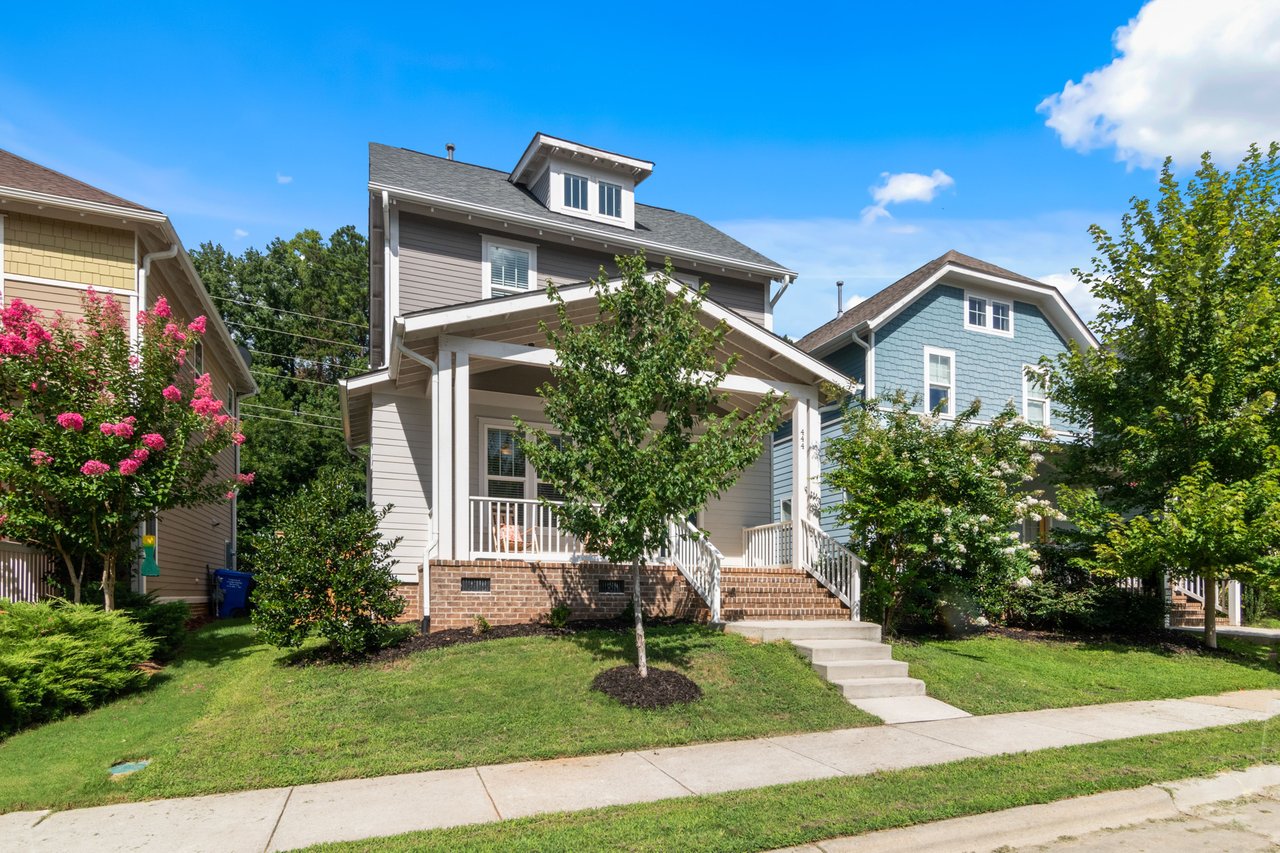
I've learned that choosing the right neighborhood is often more important than choosing the right house. A home can be renovated, expanded, or personalized, but your neighborhood? That's the foundation of your daily life, and it deserves careful consideration.
Whether you're relocating to Denver from out of state or moving across town, the neighborhood you choose will shape your morning commute, your children's education, your weekend activities, and even your long-term financial health. Let me walk you through the essential factors that should guide your decision.
Commute and Accessibility
In a sprawling metropolitan area like Denver, your commute can make or break your quality of life. I've watched too many buyers fall in love with a charming home in a distant suburb, only to realize six months later that their two-hour daily commute is unsustainable.
Start by mapping out your regular destinations: your workplace, your partner's office, schools, elderly parents, or frequent client locations. Consider not just the distance, but the reality of that drive during rush hour. A 15-mile commute down I-25 might take 25 minutes at 10 a.m., but 50 minutes at 8 a.m.
Don't forget to evaluate public transportation options. Denver's RTD system has expanded significantly, and neighborhoods with light rail access offer flexibility that becomes invaluable during snowstorms or when your car is in the shop. Proximity to major highways, bike paths, and walkable amenities should all factor into your decision.
School Quality and Educational Resources
For families with children or those planning to start a family, school quality often tops the priority list, and rightfully so. In Colorado, school districts can vary dramatically even within the same city, and property values closely track school performance.
Look beyond test scores when evaluating schools. Visit campuses, talk to parents at the playground, and research class sizes, extracurricular offerings, and special programs. Consider the entire K-12 journey: a neighborhood might have an excellent elementary school but lackluster middle and high school options, which means another move down the road.
Even if you don't have children, don't dismiss school quality as irrelevant. Homes in highly-rated school districts maintain their value better and sell faster when you're ready to move. It's simply sound financial planning.
Safety and Crime Statistics
Safety concerns are universal, but it's crucial to dig deeper than gut feelings or outdated stereotypes. Denver neighborhoods have evolved rapidly over the past decade, and crime patterns shift constantly.
Research actual crime statistics through the Denver Police Department's database or neighborhood-specific resources. Pay attention to the types of crimes reported: property crime versus violent crime, and trends over time. A neighborhood showing consistent improvement is very different from one with rising concerns.
Drive through the area at different times of day. What feels safe at 2 p.m. on a sunny Saturday might feel completely different at 9 p.m. on a Tuesday. Talk to residents. Most people are happy to share their experiences honestly, and you'll get insights no database can provide.
Lifestyle Fit and Neighborhood Character
Denver's neighborhoods each have distinct personalities, from the historic Victorian charm of Capitol Hill to the suburban tranquility of Highlands Ranch, from the artistic energy of RiNo to the mountain-town feel of Evergreen.
Be honest about your lifestyle and what you actually enjoy, not what sounds appealing in theory. Do you genuinely want to walk to coffee shops and breweries, or would you prefer a quiet cul-de-sac? Are you excited about community events and knowing your neighbors, or do you value privacy? There's no right answer, just your answer.
Consider your stage of life. Young professionals might thrive in the energy of LoDo, while retirees might prefer the peace of Cherry Creek or Littleton. Families with young children often gravitate toward neighborhoods with parks, playgrounds, and other families nearby.
Amenities and Services
The convenience of nearby amenities significantly impacts daily life. Consider proximity to grocery stores, pharmacies, healthcare facilities, banks, and gas stations. In Denver's unpredictable winter weather, having essential services within a few miles becomes especially important.
Think about your hobbies and interests. If you're an outdoor enthusiast, proximity to trails, parks, or mountain access might be non-negotiable. If you love dining out, walkable restaurant districts might be essential. Fitness enthusiasts should consider access to gyms, yoga studios, or running paths.
Don't overlook practical services like veterinary clinics, dry cleaners, or auto repair shops. These mundane necessities become frustrating if they require a 30-minute drive.
Property Values and Investment Potential
Real estate is likely the largest investment you'll make, so consider the neighborhood's financial trajectory. Research recent sales trends, average days on market, and price appreciation over the past five to ten years.
Look for signs of growth and investment: new businesses opening, infrastructure improvements, or planned developments. These indicators suggest a neighborhood on the rise. Conversely, vacant storefronts, deferred maintenance, or declining enrollment in local schools might signal concerns.
Talk to local real estate professionals about the neighborhood's reputation among buyers and sellers. Some Denver neighborhoods consistently outperform the market, while others lag. Understanding these patterns helps you make an informed investment.
Future Development and Zoning
Denver is growing rapidly, and today's quiet street might become tomorrow's busy corridor. Research your prospective neighborhood's master plan and zoning regulations. Is that empty lot next door zoned for single-family homes or high-density apartments? Are there plans for commercial development nearby?
Major infrastructure projects can dramatically impact neighborhoods, both positively and negatively. A new light rail station might increase your property value but also bring more traffic and noise. Stay informed about planned changes and consider whether they align with your vision for the future.
Trust Your Instincts
After considering all these practical factors, don't dismiss your gut feeling. When you drive through a neighborhood, do you feel excited about living there? Can you envision your life unfolding in that community? Sometimes a neighborhood checks every box on paper but still doesn't feel right, and that matters.
Finding the perfect neighborhood requires balancing practical considerations with emotional connection, financial wisdom with lifestyle preferences, and present needs with future plans. Take your time, do your research, and don't settle until you find a place that truly feels like home. The right neighborhood isn't just where you'll live, it's where you'll build your life. NAV Real Estate professionals will help guide you to the neighborhood of your dreams. We can’t wait to work with you.